Feature
Operating context
- Broiler houses
- Layer houses
- Pig barns
- Tunnel ventilation layouts
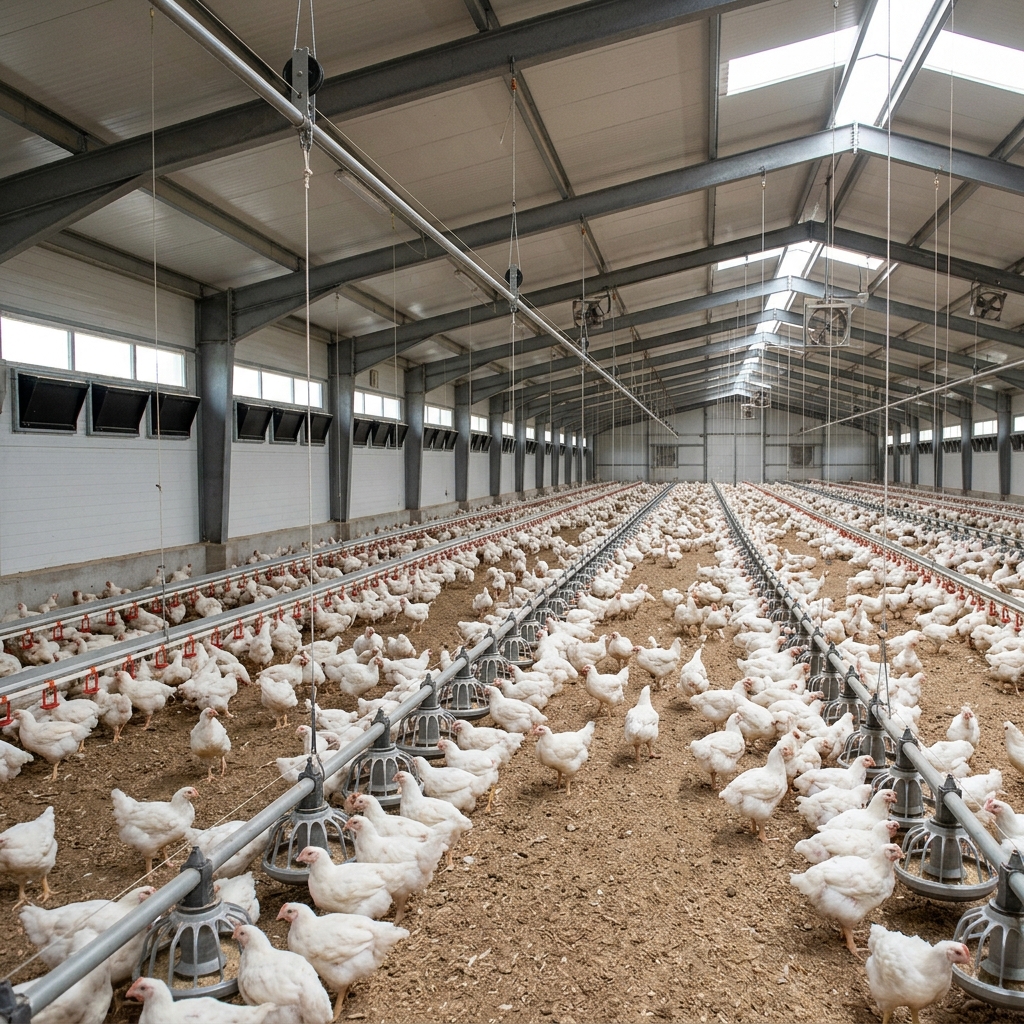
Product detail
A high-capacity exhaust fan designed for poultry and swine ventilation systems that require stable airflow, stronger air exchange, and more controllable house conditions.
Global B2B · Engineering-led inquiry handling
Evaluation frame
Three lenses commercial teams use before RFQ: operating context, technical differentiation, and adjacent equipment that must work together.
Feature
Advantage
Evidence
Decision path
Buyers should not evaluate Tunnel Exhaust Fan only as a standalone component. The more useful path is to review it against the airflow and cooling solution path, then compare the wider category context, and use the related buyer guidance to confirm fit before quotation.
When proof matters, anchor the discussion with the broiler airflow case study — similar operating priorities framed as a commercial decision path, not only a specification review.
Technical specifications
Use the table to validate electrical, airflow, and mechanical fit. If something is missing for your tender, note it in the inquiry — we respond with the missing rows where available.
| Fan Diameter | 50 in / 1270 mm |
|---|---|
| Air Volume | Up to 44,000 m3/h |
| Motor Type | High-efficiency direct drive |
| Frame Material | Corrosion-resistant galvanized housing |
| Application | Tunnel ventilation and high-volume exhaust |
Next steps
Next step
Share operating context, target performance, and integration constraints — we respond with a structured path to quotation instead of a generic catalog reply.